
Views: 0 Author: Site Editor Publish Time: 2025-11-08 Origin: Site


Imagine sinking into a hotel bed, enveloped in plush sheets that promise a restful night. Bedding is crucial in hospitality, influencing guest satisfaction and return visits. This article explores durability and comfort in hotel bedding sets, key to enhancing guest experiences. You'll learn about material choices, craftsmanship, and maintenance practices that ensure lasting quality and comfort.
Choosing the right material for hotel bedding sets is crucial. Natural fibers like cotton, linen, and bamboo are popular choices. They offer softness, breathability, and moisture absorption, which help guests sleep comfortably. Cotton, especially, is favored for its gentle touch and durability. Linen provides a crisp texture and excellent airflow, making it ideal for warmer climates. Bamboo is eco-friendly and naturally antibacterial, adding a layer of freshness.
Synthetic materials such as polyester and microfiber are often used for their affordability and wrinkle resistance. However, they tend to trap heat and moisture, which can make guests feel uncomfortable. They may also lack the softness and breathability natural fibers provide. Many hotels prefer blends combining natural and synthetic fibers to balance comfort, durability, and cost.
Thread count refers to the number of threads woven into one square inch of fabric. Higher thread counts generally mean softer, denser sheets. Hotels often choose cotton with thread counts between 300 and 500. This range offers a perfect balance between softness and durability.
High thread count cotton sheets feel smooth against the skin and resist wear from frequent washing. They maintain their luxurious feel over time, which is essential for hotels that need bedding to last through many guest stays. Egyptian and Supima cotton are premium options known for their long fibers, which contribute to strength and softness.
Breathability ensures air circulates through bedding, helping regulate temperature and wick away moisture. Good airflow prevents overheating and sweat buildup, which can disrupt sleep. Natural fibers like cotton and linen excel here, allowing guests to feel cool in summer and warm in winter.
Breathability also helps maintain bedding freshness. When fabrics dry quickly and resist moisture buildup, they stay cleaner and smell better longer. Some hotels use special treatments or weave techniques to enhance breathability further, improving guest comfort.
When selecting hotel bedding, prioritize natural fibers with a high thread count to maximize guest comfort and ensure durability through frequent laundering.
The foundation of durable and comfortable hotel bedding lies in expert weaving. Skilled manufacturers use advanced weaving methods to create fabrics that feel smooth yet strong. Tight weaves increase fabric density, which enhances durability while maintaining softness. For instance, percale weave offers a crisp, breathable texture, ideal for guests who prefer a cool sleep. Sateen weave, on the other hand, provides a silky finish and slight sheen, adding luxury appeal. These weaving styles ensure bedding withstands frequent laundering without losing shape or comfort.
Hotels often choose fabrics woven on high-quality looms that align threads precisely, minimizing imperfections. This precision reduces pilling and fabric wear over time. The result is bedding that feels premium from the first touch and remains inviting after many uses.
Stitching plays a critical role in bedding durability and appearance. Precise stitching holds fabric layers firmly, preventing seams from unraveling. Hotels rely on reinforced stitching techniques, such as double-stitched or locked seams, to extend bedding lifespan. These methods keep pillowcases, sheets, and duvet covers intact despite constant use and commercial washing.
Moreover, stitching affects comfort by keeping fillings evenly distributed in duvets and pillows. Even stitching prevents clumping, which can create uncomfortable lumps and cold spots. For guests, this means consistent softness and support every night.
Attention to detail in stitching also enhances the bedding’s visual appeal. Clean, neat seams contribute to a polished look that elevates the guest experience.
Design matters beyond durability and comfort. Aesthetics influence guest perception and satisfaction. Hotels select bedding designs that complement room decor and create a welcoming ambiance. Classic white bedding remains popular for its clean, luxurious feel and ability to brighten spaces. Some hotels add subtle embroidery or piping to add texture and elegance without overwhelming the design.
Color and pattern choices can also affect guests’ mood and comfort. Soft, neutral tones promote relaxation, while tasteful patterns add personality and style. Hotels often update bedding designs seasonally or to reflect brand identity, enhancing the overall guest experience.
Well-designed bedding invites guests to unwind and feel cared for, reinforcing positive impressions and encouraging repeat visits.
Invest in high-quality weaving and reinforced stitching to ensure hotel bedding remains durable and comfortable through heavy use and frequent laundering.
Pillows play a crucial role in hotel bedding comfort. Hotels offer various pillow types to meet different guest preferences. Common options include:
● Down pillows: Soft and plush, providing gentle support.
● Memory foam pillows: Contour to the head and neck, offering firm support.
● Synthetic fill pillows: Hypoallergenic and easy to maintain.
● Feather pillows: Provide a balance of softness and support.
Offering a range allows guests to choose pillows that suit their sleeping style, improving satisfaction.
Proper pillow support ensures spinal alignment and reduces neck strain. Hotels prioritize pillows that balance softness and firmness. Too soft, and the head sinks, causing discomfort. Too firm, and pressure points develop. The right pillow helps guests wake refreshed and pain-free.
Support also affects sleep quality. Pillows that maintain shape through the night prevent tossing and turning. This consistency contributes to deeper, more restful sleep.
Pillowcases impact comfort and durability. Hotels often select pillowcases made from:
● High thread count cotton: Soft, breathable, and durable.
● Linen: Offers excellent airflow and a crisp feel.
● Silk or satin: Reduces skin friction, beneficial for sensitive skin.
Natural fibers like cotton and linen are preferred for breathability and moisture-wicking. They keep guests cool and dry, enhancing comfort. Silk pillowcases add a touch of luxury and help maintain skin and hair health.
Pillowcases must also withstand frequent laundering. Durable stitching and quality fabric ensure longevity without sacrificing softness.
Tip: Provide a variety of pillow types and use breathable, high-quality pillowcases to maximize guest comfort and support diverse sleep preferences.
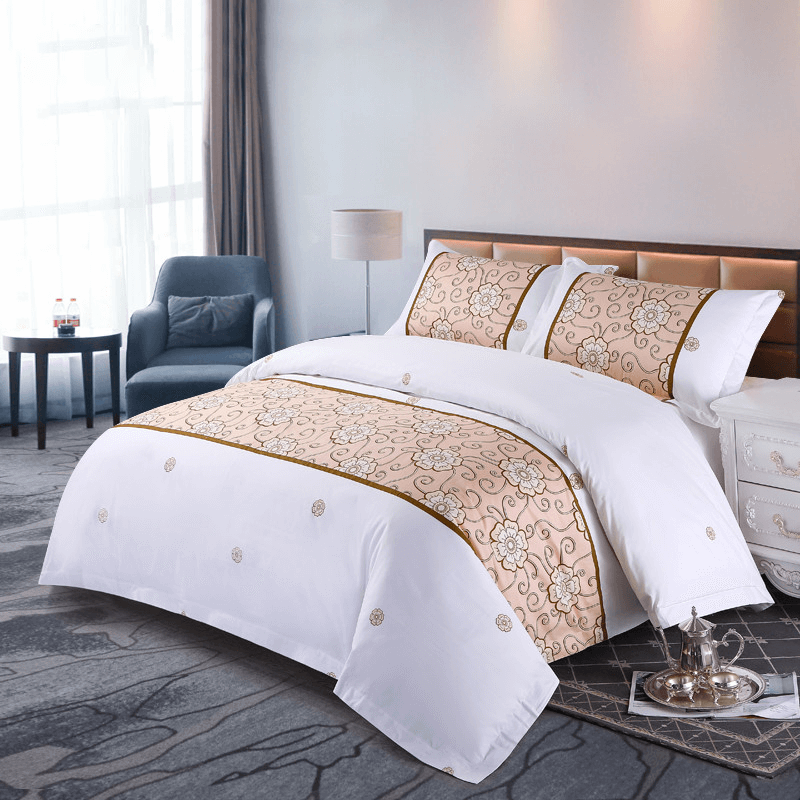
Layering hotel bedding creates a warm, inviting space that encourages rest. Multiple layers add softness and depth, making beds feel plush and luxurious. Starting with a fitted sheet tightly hugging the mattress ensures stability. A flat sheet adds a smooth surface, while a duvet or comforter provides warmth and a soft touch. Decorative throws or blankets on top complete the look, inviting guests to snuggle in.
This layering mimics a cocoon effect, wrapping guests in comfort. It also allows hotels to adjust bedding according to seasons or guest preferences. For example, lighter layers suit summer stays, while thicker duvets keep guests cozy during colder months.
Using several bedding layers offers practical advantages beyond comfort. Layers protect the mattress and extend bedding life by reducing wear on individual pieces. They make laundering easier since hotels can wash layers separately, maintaining freshness without excessive handling of bulky items.
Multiple layers also provide flexibility. Guests can remove or add layers to suit their comfort level, enhancing satisfaction. This adaptability is key in hospitality, where guest needs vary widely.
Aesthetically, layering adds dimension and elegance to the bed. It allows hotels to showcase quality fabrics and subtle design details, enhancing the overall guest experience.
Layering plays a vital role in temperature control. Each layer acts as insulation, trapping or releasing heat depending on materials used. Natural fibers like cotton and linen in sheets and blankets breathe well, allowing air circulation that helps cool the body.
In contrast, synthetic layers or heavier duvets hold warmth longer, ideal for chilly nights. Hotels often combine breathable sheets with insulating comforters, giving guests balanced temperature control.
Layering also helps manage moisture. Breathable layers wick sweat away, preventing discomfort from damp bedding. This keeps guests dry and comfortable throughout the night, promoting better sleep quality.
Use a combination of breathable natural fiber sheets and adjustable layers like duvets and throws to create a cozy, temperature-controlled bed that adapts to diverse guest needs.
Hotels follow strict laundering standards to keep bedding fresh and hygienic. Bedding undergoes commercial washing cycles designed to remove dirt, oils, and bacteria thoroughly. These cycles often use higher temperatures than home machines, helping eliminate germs and allergens. Frequent laundering between guest stays ensures sheets and pillowcases feel crisp and clean every time.
Hotels also separate bedding by fabric type and color to prevent damage and maintain appearance. They use industrial washers and dryers that handle large loads efficiently without compromising fabric quality. Proper drying techniques prevent mildew and fabric weakening, extending bedding life.
Choosing the right detergents and softeners is key to preserving bedding softness and durability. Hotels prefer detergents formulated for commercial use that clean deeply but remain gentle on fabrics. Harsh chemicals or excessive bleach can degrade fibers and reduce the lifespan of bedding sets.
Fabric softeners add softness and reduce static cling, enhancing guest comfort. However, overuse may leave residues that affect breathability. Many hotels opt for fragrance-free or hypoallergenic products to avoid irritating sensitive skin and maintain a neutral scent.
Some establishments use eco-friendly detergents and softeners to reduce environmental impact while ensuring cleanliness. These products balance effectiveness with fabric care, helping hotels meet sustainability goals without sacrificing guest satisfaction.
Cleanliness forms the foundation of guest comfort and trust. Fresh, spotless bedding signals high standards and attention to detail. Guests often judge overall hotel quality based on how clean and inviting the bed looks and feels.
Visible signs of wear, stains, or odors can quickly harm a hotel's reputation. Maintaining impeccable bedding cleanliness reassures guests their health and comfort are priorities. It also encourages positive reviews and repeat visits.
Hotels may enhance guest perception by using whitening agents that keep sheets bright white and by regularly replacing bedding that no longer meets pristine standards. Clear communication about cleaning practices can further boost guest confidence.
Implement rigorous commercial laundering protocols using gentle, effective detergents and softeners to maintain bedding freshness and uphold guest satisfaction.
Hotel bedding faces heavy use daily. It must resist wear, tears, and fading over time. Choosing materials with natural strength, like long-staple cotton (Egyptian or Supima), enhances durability. These fibers withstand repeated washing without breaking down or losing softness.
Fabrics with tight weaves also improve resistance to abrasion. Percale and sateen weaves offer different textures but both provide strong fabric structure. Durable bedding keeps its shape and appearance, maintaining guest satisfaction.
Hotels often select blends combining natural fibers and synthetics. This mix balances softness, durability, and cost efficiency. Synthetic fibers add resistance to stretching and shrinking, extending bedding life further.
Hotel bedding must endure commercial laundering processes. These involve high temperatures, powerful detergents, and frequent cycles. Materials need to tolerate these conditions without damage.
Bedding designed for hospitality use undergoes testing against commercial wash standards. It resists pilling, color fading, and fabric weakening. Stitching and seams must hold firm despite intense washing.
Hotels often partner with laundry services familiar with hospitality standards. This ensures proper handling and care, preserving bedding quality. Using industrial-grade detergents that clean deeply yet gently also helps.
Maintaining bedding quality requires routine inspection and care. Hotels regularly check for fabric thinning, loose threads, or stains. Bedding showing wear beyond acceptable limits gets replaced promptly.
Proper storage prevents damage from moisture or pests. Folding bedding carefully avoids creases and fabric stress. Rotating bedding sets distributes wear evenly.
Training housekeeping staff on gentle handling and laundering protocols protects bedding integrity. Using recommended detergents and avoiding overuse of bleach or softeners prevents fiber breakdown.
Consistent maintenance ensures bedding remains comfortable, clean, and visually appealing. This protects the hotel’s reputation and guest satisfaction.
Tip: Select hotel bedding rated for commercial laundering and implement strict maintenance routines to maximize durability and guest comfort over time.
Selecting the right hotel bedding is crucial. Key comfort factors include natural fibers, high thread count, and expert craftsmanship. Future trends focus on sustainable materials and advanced weaving techniques. Jie Ruiya offers premium hotel bedding that combines durability and luxury, ensuring a memorable guest experience. Their products provide exceptional value, aligning with evolving industry standards and guest expectations.
A: Hotel bedding sets often use natural fibers like cotton, linen, and bamboo for softness and breathability, while synthetic materials like polyester offer affordability and wrinkle resistance.
A: High thread count cotton in bedding sets provides a balance of softness and durability, maintaining a luxurious feel through frequent laundering.
A: Hotels ensure durability by selecting high-quality materials, expert weaving techniques, and reinforced stitching to withstand heavy use and frequent laundering.


