
Views: 0 Author: Site Editor Publish Time: 2026-08-13 Origin: Site


Have you ever received a flat, lifeless package and wondered how it could possibly support your head? Vacuum packing revolutionizes how we ship and store bedding today. It shrinks bulky items into flat, manageable parcels. However, balancing the logistical benefits of reduced shipping costs against the risk of permanent structural damage remains a major challenge. Whether storing out-of-season inventory or procuring bulk orders for a hospitality chain, decision-makers need absolute certainty. You must know if these synthetic fibers will fully recover their loft after weeks in transit. Yes, a high-quality Microfiber Pillow can safely withstand vacuum packing and bounce back perfectly. In this article, you will learn the exact compression timelines required for safe storage. You will also discover the ideal storage environments and unboxing protocols needed to guarantee a full recovery.
Fiber Resilience: High-denier microfiber possesses strong structural memory, allowing it to recover from heavy compression better than natural down or solid memory foam.
Time Limits: Vacuum-sealed storage should not exceed 3 to 6 months; prolonged compression causes permanent flattening of the fiber crimps.
Recovery Protocol: Pillows require 24 to 48 hours of decompression and active fluffing (manual or mechanical) to restore 100% of their structural loft.
Purchasing Criteria: When evaluating a Custom Hotel Pillow supplier, verify their vacuum-sealing pressure limits and transit timelines to ensure out-of-the-box viability.
When you vacuum-seal a synthetic bedding product, you alter its internal physics completely. Microfiber fill relies entirely on countless microscopic air pockets. These tiny pockets sit trapped between extremely fine synthetic polymer threads. Manufacturers typically use highly durable polyester for this purpose. Together, these threads and air pockets create the necessary loft for comfortable sleep. Vacuum packing forcefully extracts up to 80% of this essential ambient air. High-grade microfiber features a distinct zig-zag or spiral structure. Industry experts call this the "crimp." This specific crimp gives the material its signature bounce and structural support. Short-term vacuum sealing simply compresses this zig-zag structure. It shrinks the overall volume temporarily without snapping the individual fibers.
Significant downsides and physical risks exist when pushing limits. Exceeding the fiber's maximum stress threshold causes permanent damage. Over-pressurization or extended compression durations lead to a phenomenon called "plastic deformation." In material science, this means the synthetic threads lose their inherent elasticity. They remain permanently flattened. They become unable to trap air effectively again. High-denier threads resist flattening better than low-denier alternatives. Think of it like a heavy-duty spring versus a fragile wire.
Environmental variables play a surprisingly huge role during transit. Storing vacuum-packed items in high-heat environments accelerates fiber degradation rapidly. Think of unventilated shipping containers or metal warehouses in summer. Intense heat softens the delicate polymer chains. This softening accelerates structural memory loss. It ruins the crimp forever.
Time dictates how well synthetic fibers bounce back after compression. You must manage your storage durations strictly to avoid inventory loss. Short-term and long-term viability differ greatly across various climates.
1–3 Months (Safe): Full recovery happens naturally during this window. You will need minimal manual intervention upon opening. This timeframe represents the ideal scenario for standard ocean shipping and domestic transit.
3–6 Months (Caution): The fiber recovery process becomes significantly harder. You must use aggressive mechanical fluffing techniques. These techniques help restore the original shape and loft.
6+ Months (High Risk): We see a high probability of permanent loft degradation here. The fibers suffer from extended plastic deformation. Industry standards do not recommend this duration for commercial inventory storage.
Climate control requirements also matter immensely for stored textiles. Bags must sit in temperature-controlled, low-humidity spaces whenever possible. Moisture occasionally gets trapped inside a vacuum seal at the factory. Micro-environments form inside sealed plastic. A tiny temperature shift causes condensation. Condensation breeds mildew spores surprisingly fast. It affects even purely synthetic materials over time if left unchecked. Sharp temperature fluctuations present severe puncture risks during transit. Cold snaps make standard plastic vacuum bags extremely brittle. They can develop invisible micro-tears easily. These tiny holes prematurely introduce outside air and humidity. This ruins the protective seal before the product arrives.
Storage Duration Viability Analysis
Storage Duration | Safety Level | Recovery Method Needed | Expected Loft Recovery |
|---|---|---|---|
1 - 3 Months | Safe | Passive breathing, light manual fluffing | 98% - 100% |
3 - 6 Months | Caution | Mechanical fluffing (dryer required) | 85% - 95% |
6+ Months | High Risk | Intensive mechanical restoration | Under 70% |
Opening a highly compressed product requires specific care and patience. Rushing this unpacking process can ruin the internal fiber structure permanently. Follow this standard operating procedure to guarantee optimal fluffiness every time.
Initial Release: Carefully cut the vacuum seal along the top edge. You must avoid nicking the actual fabric shell underneath. Allow the item to passively breathe on a flat surface. Leave it alone for roughly 2 to 4 hours.
Manual Agitation (The "Accordion" Method): Compress and release the corners diagonally. Push opposite corners together forcefully, then pull them apart. Repeat this action several times. Pushing the corners creates a vacuum effect inside the shell. This motion pulls fresh ambient air deep into the core matrix.
Mechanical Restoration (Scalable for Bulk): Place the items loosely inside a large commercial dryer. You must use a strictly no-heat or air-fluff cycle. Run this gentle cycle for 15 to 20 minutes. Toss in a few clean dryer balls or tennis balls. They help break up internal fiber clumping caused by intense vacuum pressure.
Deployment Wait Time: Wait a full 24 to 48 hours. Do not place the product into active service immediately. Do not dress it in hotel linens yet. This crucial waiting period ensures maximum guest comfort upon first use.
Applying high heat in the dryer remains a common, costly mistake. High temperatures will melt the fine polymer threads instantly. Always double-check your commercial machine settings before tumbling synthetic fills.
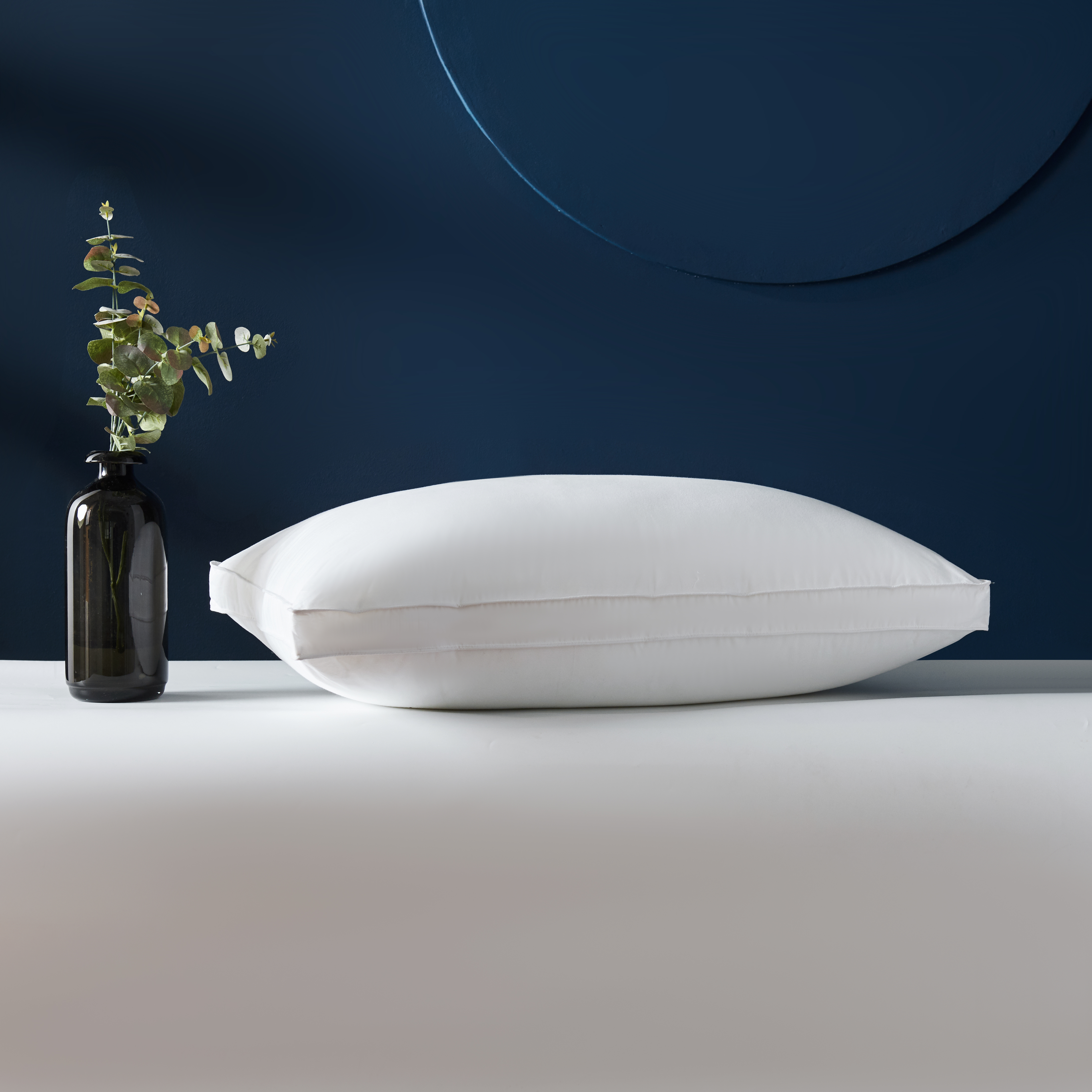
How do different premium materials handle intense physical pressure? Let us evaluate the most common bedding fills used today.
Microfiber: This material stands out as the best overall candidate for vacuum shipping. It balances remarkably high recovery rates perfectly. It also carries very low moisture-retention risks during ocean transit. High-denier threads bounce back reliably after standard international shipping times.
Natural Down and Feather: These traditional materials are highly compressible initially. However, brittle natural feathers pose a unique physical hazard. They can snap cleanly under extreme vacuum pressure. Broken feathers lead to sharp quills poking directly through the outer cotton shell.
Memory Foam (Solid or Shredded): Polyurethane foam carries a high risk of structural cracking. This damage happens if you vacuum-seal and fold it simultaneously. The recovery process remains notoriously slow. It can take up to 72 hours for full expansion. Foam often requires ambient heat activation to expand fully in cold climates.
If you manage a large-scale property, predictability is crucial. Synthetic fibers provide the most consistent results across varying global climates. They eliminate the sharp quill issue entirely. They also expand much faster than dense polyurethane foams.
Bulk ordering requires strict vendor oversight and clear communication. You cannot just hope for the best upon delivery. Your procurement strategy must address packaging standards directly and thoroughly.
First, evaluate supplier packaging standards carefully. Look closely at their specific compression ratios. Reputable B2B suppliers use specialized hydraulic packaging machines. They compress the items to 60-70% of their original size. They deliberately avoid pressing them 100% flat. This vital buffer protects the delicate fiber integrity during long transit. If you are sourcing a Custom Hotel Pillow, ask the manufacturer about their maximum pressure limits before signing any contracts.
Next, demand transit transparency from your logistics partners. You must track shipping routes meticulously. Calculate expected warehouse layover times accurately. Ensure the product does not sit in a compressed state beyond the safe 3-month window. Delays at the port can easily push your inventory into the danger zone.
Finally, mandate sample testing before finalizing large bulk contracts. Always request a genuine vacuum-sealed sample from the vendor. Measure its loft immediately upon opening it. Measure it again at the 24-hour mark. Check the final height at 48 hours exactly. Document the unboxing process with video. Share this footage with your procurement team. This simple testing protocol verifies the manufacturer’s fiber quality claims definitively. It prevents costly surprises on installation day.
Vacuum packing serves as a highly efficient logistics strategy for modern bedding. Buyers must simply respect the physical limits of synthetic fibers to succeed. Implementing proper decompression standard operating procedures guarantees a flawless product rollout. Careful planning prevents irreversible damage to your valuable inventory.
Take these crucial next steps to protect your investments:
Review your current inventory storage timelines immediately.
Identify any warehouse stock approaching the three-month compression mark.
Consult your bedding manufacturer to audit their shipping compression practices.
Train your housekeeping staff on the 48-hour decompression and fluffing protocol.
A: While they will look functional within minutes, it takes 24 to 48 hours for the internal fibers to fully un-crimp and trap maximum air for structural support.
A: No. Washing a compressed pillow before it has been properly dry-fluffed can permanently lock the fibers into clumps. Always dry-fluff first. If washing is necessary later, use cold water and a no-heat tumble dry.
A: Vacuum sealing traps manufacturing byproducts (off-gassing) inside the plastic. This is common with synthetics. The odor is harmless and will dissipate within 24 hours in a well-ventilated space.
A: Only for short-term seasonal storage (under 6 months). For longer durations, use breathable cotton storage bags to maintain fiber resilience and prevent moisture trapping.


