
Views: 0 Author: Site Editor Publish Time: 2026-08-10 Origin: Site


Hotel managers constantly balance luxury guest sleep standards against rising procurement and maintenance budgets. You want to offer premium comfort in every room. However, rigid operating constraints strictly dictate what stays on the bed. You must ensure every room provides a restful night. A poor sleep experience directly harms online reviews. Let us analyze the synthetic bedding market closely.
Historically, natural down represented the absolute gold standard in hospitality bedding. Today, forward-thinking properties are actively shifting away from it. Allergen concerns increasingly drive costly guest complaints. Strict ethical sourcing mandates complicate wholesale purchasing. Furthermore, commercial laundering proves notoriously difficult for natural feathers. High-end hotels need a reliable, scalable alternative.
This article evaluates a modern synthetic solution. We explore whether a microfiber pillow realistically satisfies high guest expectations. You will learn how synthetic fibers impact your operational return on investment. We examine durability, housekeeping realities, and sourcing strategies. Ultimately, we determine if this bedding upgrade delivers both exceptional comfort and financial sense.
Hypoallergenic Standard: Microfiber effectively mimics the loft of natural down without triggering guest allergies.
Operational Efficiency: Drastically reduces laundering complexity and eliminates dry-cleaning costs associated with natural down.
Lifespan Reality: While highly durable, microfiber requires a stricter replacement cycle (typically 12-18 months in high-occupancy environments) compared to premium down.
Customization: Partnering with manufacturers for a Custom Hotel Pillow allows properties to specify fill weight, catering to both side and back sleepers.
Natural down presents three major operational hurdles for modern hospitality venues. Procurement teams face constant pressure to reduce overhead. Traditional bedding materials make this goal incredibly difficult. You cannot ignore the daily friction these luxury items cause for your staff.
First, natural down requires high initial capital expenditure. Premium goose feathers command premium prices on the global market. Second, these items demand complex commercial laundering. Feathers require specialized enzyme detergents. They also need prolonged drying cycles to prevent mold. Third, properties must maintain a secondary inventory. Housekeeping teams must stock synthetic backups for allergy-prone guests. This redundancy wastes valuable storage space.
High initial capital expenditure: Natural down strains procurement budgets immediately.
Complex commercial laundering requirements: Feathers complicate standard housekeeping procedures.
Secondary inventory management: Allergy-friendly backups consume limited storage space.
Down alternatives effectively address these specific business problems. Advanced microfiber leads this new category. Engineers specifically design this material to replicate the luxury "sink-in" feel. It behaves much like expensive goose down. However, it completely standardizes your room inventory. One pillow type successfully suits all guests.
You no longer need to separate hypoallergenic requests. Housekeeping avoids swapping pillows during evening turndown service. Every bed features the exact same high-quality product. This standardization streamlines daily operations significantly. It reduces labor hours. It minimizes inventory tracking errors. Selecting a high-grade Microfiber Pillow transforms your supply chain.
Corporate environmental and social governance (ESG) goals matter today. Guests actively research hotel sustainability practices. The hospitality industry is moving away from animal byproducts. Ethical sourcing mandates now influence major procurement decisions. Down alternatives align perfectly here. They eliminate animal welfare concerns entirely. This proactive shift protects your brand reputation. It satisfies strict corporate sustainability requirements.
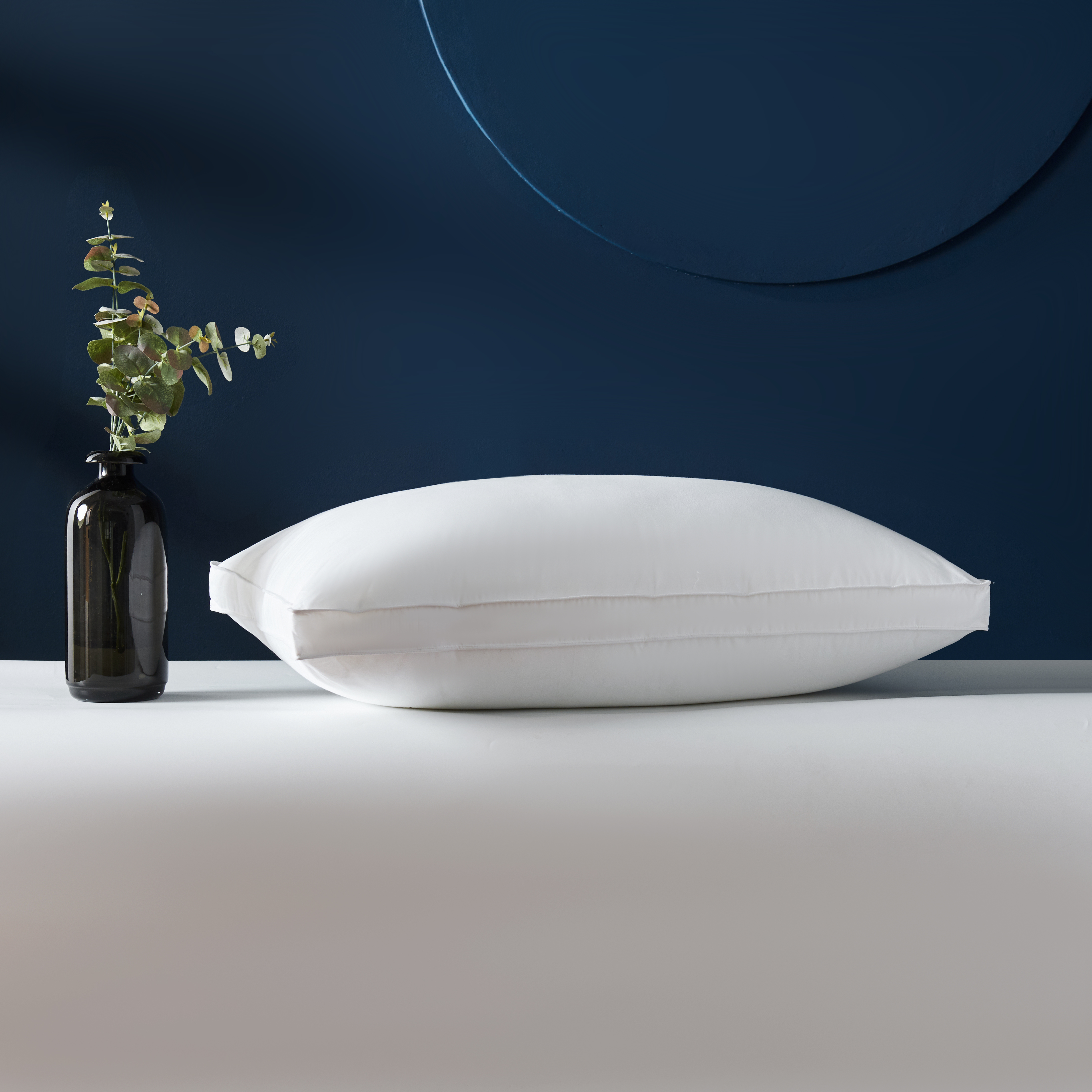
Understanding fiber engineering reveals why modern synthetics excel. We must compare microfiber denier to traditional polyester hollowfiber. Manufacturers measure fiber thickness using denier units. Traditional hollowfiber feels stiff. It usually measures between three and five denier. This creates a bouncy, slightly resistant texture. Guests often dislike this artificial springiness.
Conversely, ultra-fine microfibers measure below one denier. This minute thickness creates a highly malleable structure. The fibers slide against each other smoothly. They mimic the exact physical behavior of natural down clusters. The result is a highly "fluffable" unit. Guests can easily punch and shape the bedding. It responds exactly like expensive feathers.
Bedding Material Denier and Texture Comparison Chart
Material Type | Denier Measurement | Tactile Feel | Shapeability |
|---|---|---|---|
Polyester Hollowfiber | 3.0 - 5.0 | Bouncy and firm | Low (Resists shaping) |
Advanced Microfiber | 0.7 - 0.9 | Plush and smooth | High (Easily molded) |
Natural Goose Down | N/A (Natural Cluster) | Ultra-soft | Maximum (Sinks in) |
Guest comfort relies heavily on proper spinal alignment. Microfiber conforms beautifully to the neck and shoulders. It fills the gap between the mattress and the head. This conforming action relieves pressure points. Side sleepers require more structural support. Back sleepers need gentle cradling. High-denier microfibers adapt to both positions easily. They provide dynamic support throughout the night. The loft compresses gently under body weight. It does not push back aggressively against the sleeper.
Tactile luxury extends beyond the interior fill. The outer shell plays a massive role. It creates the sensory cues expected at a 4- or 5-star property. You cannot wrap premium fiber in cheap polyester. It destroys the luxury illusion immediately. We highly recommend a 300-thread-count cotton cambric shell. Cotton cambric breathes exceptionally well. It feels crisp and cool against the skin. Embossed shells also add subtle visual luxury. These small details elevate the entire guest experience.
Housekeeping efficiency drives hospitality profits directly. Advanced synthetics provide a massive housekeeping advantage. These items withstand standard commercial washing machines effortlessly. Your staff does not need delicate wash cycles. They do not require expensive external dry-cleaning services.
Furthermore, synthetic fibers dry significantly faster than natural feathers. Down traps moisture deep inside its clusters. This trapped moisture breeds mold and mildew easily. Microfiber expels moisture rapidly during the extraction cycle. This drastically reduces commercial dryer time. Your laundry facility processes more units per hour. You save heavily on utility costs. You also prevent dangerous hygiene risks.
Durability testing evaluates shape retention over time. Bedding undergoes heavy compression every single night. It also faces repeated washing in aggressive commercial machines. Quality synthetics perform admirably under stress. The ultra-fine strands resist permanent crimping. They spring back after laundering. Housekeepers simply punch the sides to restore maximum loft. The beds look crisp and inviting upon check-in. Consistent shape retention maintains your strict brand presentation standards.
Financial planners must evaluate scale realistically. Natural down demands a massive upfront investment. It also carries ongoing expensive maintenance requirements. Alternatively, synthetic options offer a much lower upfront cost. They pair this with cheaper, faster daily maintenance. Properties save money on detergent, labor, and energy. You do face slightly shorter replacement intervals. However, the immediate capital savings easily offset this frequency. The financial math strongly favors advanced synthetic materials.
We must acknowledge valid criticisms openly. Synthetic fibers do not breathe as naturally as real down. Plastic-based materials inherently trap body heat. This heat retention can disturb sensitive sleepers. You must address this limitation proactively. Smart engineering mitigates these temperature issues.
First, always specify highly breathable cotton shells. Pure cotton allows trapped heat to escape. Second, consider cooling gel infusions for warm climates. Some manufacturers weave temperature-regulating materials into the shell. These simple upgrades neutralize the primary drawback of synthetic bedding. They ensure a cool, comfortable sleep environment.
Procurement teams must avoid low-tier products. Cheap synthetics present a serious "clumping" risk. Aggressive commercial drying melts poor-quality fibers easily. Temperatures exceeding 140°F fuse cheap strands together. This creates hard, uncomfortable lumps inside the shell. The item becomes entirely unusable. You must warn your laundry staff about heat limits. You must also purchase high-temperature-resistant microfibers. Quality materials withstand standard extraction cycles without melting.
Transparency builds trust in procurement. You must understand the flattening curve. Synthetic materials lose their initial loft faster than high-fill-power goose down. Down clusters recover their bounce for years. Synthetic strands eventually fatigue and permanently flatten. This reality requires strict inventory auditing. Head housekeepers must inspect room inventory quarterly. They must discard flattened units immediately. You cannot allow fatigued bedding to reach the guest room. Proper auditing prevents negative sleep reviews.
Specifying the correct fill weight guarantees guest satisfaction. You cannot rely on a single density for everyone. Bed presentation usually requires multiple options. We recommend offering both a firm and a soft option on every bed. Evaluating fill weight determines this firmness. A standard queen size might use 900 grams for a soft feel. A firm option might require 1200 grams of fill. You must define these exact specifications before ordering.
The exterior construction dictates interior longevity. Vigorous commercial washing forces fibers outward. Poorly constructed seams burst easily. You must mandate specific sewing techniques. We strongly recommend double-stitched edges. They provide crucial reinforcement against washing agitation. Additionally, request piped gussets. A gusset adds a fabric side panel to the shell. This creates a structured box shape. It prevents fiber migration perfectly. It also maintains a higher loft profile on the mattress.
Choosing the right manufacturing partner secures your investment. Avoid buying generic, off-the-shelf catalog items. You benefit immensely from working with a specialized supplier. They can manufacture a Custom Hotel Pillow perfectly tailored to your property. You control the exact thread count, fill density, and edge piping. You tailor the product to your specific brand standards. You also align it with your target demographic's preferences.
Partnering directly with a manufacturer offers greater quality control. You can request branded tags and specific packaging. You eliminate the middleman markup entirely. This direct relationship ensures consistency across future restock orders.
Request detailed specification sheets before signing contracts.
Mandate double-needle stitching on all exterior seams.
Ensure the vendor offers flexible fill weight adjustments.
Ask for independent wash-testing certifications.
A high-grade synthetic alternative proves highly effective for modern hospitality. It successfully balances true luxury with operational sanity. You deliver the plush, sink-in comfort your guests demand. Simultaneously, you eliminate complicated laundering, allergy complaints, and ethical sourcing dilemmas. The lower upfront cost and simplified maintenance provide excellent financial leverage.
Your next step requires physical validation. Never commit to a bulk order blindly. Encourage your procurement teams to request physical samples immediately. Conduct in-house compression tests. Run these samples through your toughest commercial wash cycles. Verify the drying times and inspect for clumping. Once the samples pass these rigorous tests, you can confidently upgrade your property's sleep experience.
A: Typically 12 to 18 months, depending on occupancy rates and wash frequency.
A: Yes, but temperature controls are critical to prevent fiber melting or clumping.
A: Most guests cannot distinguish high-denier microfiber from down, especially when wrapped in a premium cotton shell, though down purists may notice a slight difference in weight.
A: No. Hollowfiber is thicker, bouncier, and cheaper. Microfiber is ultra-fine, mimicking the soft, luxurious sink-in feel of natural down.


