
Views: 0 Author: Site Editor Publish Time: 2026-08-06 Origin: Site


Requesting a physical sample represents the final hurdle before placing a high-stakes bulk order. You naturally expect the product to meet your exact specifications. However, many hoteliers mistakenly evaluate commercial textiles using standard residential criteria. They often judge quality solely by the initial softness out of the package. This approach fails entirely to predict long-term operational viability. Evaluating samples based on subjective feel rather than objective performance metrics often leads to disaster. It causes costly restocking, high replacement rates, and frequent guest complaints.
We created this comprehensive guide to shift your evaluation process. You must move toward measurable, objective results. You will learn a clear, standardized framework to stress-test your samples effectively. We will show you exactly how to validate supplier credibility before committing capital. We guide you through inspecting stitching, testing fabric endurance, and confirming spec sheets. These practical steps protect your investment and ensure superior, long-lasting guest experiences.
Test for Operations, Not Just Aesthetics: A sample must survive a commercial wash test (minimum 3–5 cycles) to reveal its true shrinkage, pilling, and tensile strength.
Verify Construction Quality: Stitch density, seam finish, and zipper/closure integrity are stronger indicators of lifespan than thread count alone.
Assess Design Functionality: Woven designs, like Jacquard Hotel Bedding Sets, must be checked for snagging risks and pattern distortion post-wash.
Demand Spec-to-Sample Alignment: The physical sample must match the provided technical specification sheet (weight, blend, sizing) with zero unapproved deviations.
Evaluating a fresh, unwashed sample can easily trick even experienced procurement managers. Suppliers want their products to make a great first impression. They rely on specific manufacturing techniques to enhance initial appeal.
Suppliers often apply chemical sizing to their samples. They use starch or silicone finishes to artificially enhance initial softness. This chemical layer makes lower-quality cotton or polyester blends feel luxuriously smooth right out of the box. You touch the fabric and assume it offers premium quality. However, this chemical sizing washes away quickly. After a few laundering cycles, the true texture emerges. Often, the fabric becomes scratchy, stiff, and prone to rapid degradation.
Evaluating a sample purely by hand-feel ignores industrial laundering realities. Residential washing machines use mild detergents and warm water. Commercial laundries operate in extreme conditions. They use high heat, reaching up to 160°F (70°C). They utilize aggressive chemical alkalis and industrial bleaches to remove stubborn stains. Finally, commercial facilities use heavy calendering machines. These industrial ironers pull and press fabrics under immense pressure. A soft residential-grade sheet will tear or fray under these intense forces. You must evaluate the sample based on its ability to survive commercial processing.
Laundering Environment Comparison
Factor | Residential Laundering | Commercial Laundering |
|---|---|---|
Water Temperature | Typically 90°F - 120°F | Often 140°F - 160°F |
Chemicals Used | Mild consumer detergents | Caustic soda, industrial bleaches, sours |
Extraction Force | Low to medium spin cycles | High-G hydraulic presses and extractors |
Ironing Process | Hand iron or gentle tumble dry | High-pressure, high-heat calendering rollers |
Approving a sample based on flawed criteria directly impacts your bottom line. It leads to premature fabric degradation. Your housekeeping staff will notice frayed edges and thinning centers within months. This creates inconsistent room presentation across your property. Guests expect a flawless sleep experience, and degraded linens generate immediate complaints. Ultimately, misjudging the sample causes severe budget overruns within the first fiscal year due to unplanned replacement orders.
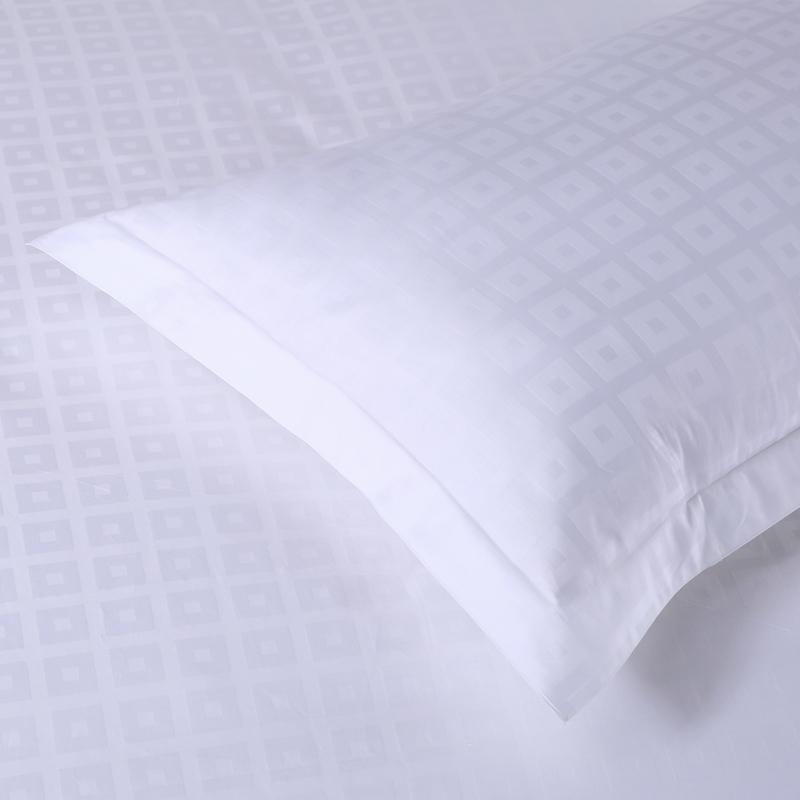
You must move beyond basic touch and visually inspect how the manufacturer constructed the product. Construction quality dictates how well the fabric holds together under daily stress.
A beautiful sheet serves no purpose if it does not fit your mattresses correctly. You must verify all dimensions meticulously.
Measure the sample flat before washing. Record the exact length and width.
Compare these measurements against your standard hospitality mattress depths. You must account for any plush mattress toppers or protective encasements you use.
Verify the specific components. Ensure the sample matches the requested configuration. Confirm the fitted sheet pocket depth. Measure the flat sheet overhang. Inspect the duvet cover closure style to ensure it meets your specifications.
Seams often fail long before the main fabric tears. Examining the stitching reveals the manufacturer's commitment to durability.
Examine the hem stitch density: Count the stitches. The industry target is 10–12 stitches per inch (SPI). Fewer stitches indicate a weak seam prone to unraveling. More stitches can perforate and weaken the fabric.
Check for reinforced seams: Look closely at high-stress points. Duvet cover corners and envelope flap closures require double-stitched seams or bartack reinforcements. Weak corners will rip apart during heavy industrial extraction cycles.
The weave structure determines breathability, opacity, and long-term aesthetic appeal.
For standard percale or sateen weaves, check the fabric against expected breathability and visual opacity. Hold the sample up to a strong light. A tight, even weave blocks most light. An uneven, splotchy appearance indicates poor yarn quality.
For woven designs, you must pay special attention to the texture. When inspecting Jacquard Hotel Bedding Sets, examine the raised woven patterns closely. The sample must demonstrate high-density weaving. Loose threads in a Jacquard weave present major snagging risks. Housekeeping carts, guest luggage, or commercial laundering equipment can easily catch loose threads and destroy the pattern. High-density weaving prevents these snags and maintains pattern integrity.
Visual inspection is only the first step. You cannot approve a sample until you physically stress-test it in real-world conditions.
Never approve a sample without putting it through a rigorous laundering process. You must submit the fabric to at least 3 to 5 commercial wash and dry cycles. This process strips away the temporary chemical sizing. It reveals the underlying fabric quality. It also mimics the mechanical stress the product will endure during its operational life.
After completing the wash protocol, evaluate the sample against specific performance metrics. Use precise measurements to quantify the results.
Shrinkage Tolerance: Measure the post-wash dimensions and compare them to your initial measurements. Acceptable commercial shrinkage should not exceed 3–5% for 100% cotton fabrics. Poly-cotton blends should not shrink more than 2–3%. Anything beyond these limits will result in sheets that no longer fit the mattress.
Pilling Resistance: Inspect the fabric surface under strong lighting. Look for friction-induced pilling. Tiny balls of tangled fibers indicate short-staple yarns or poor twist counts. Pilling ruins the guest sleep experience by making the bed feel gritty.
Color and Sheen Retention: White sheets must remain brilliantly white. Ensure they do not yellow or gray after interacting with commercial detergents. For sateen or Jacquard finishes, verify they maintain their visual depth. They should not look dull or threadbare after washing.
Shape Distortion: Check the overall geometry of the sample. Look to see if the seams pucker aggressively. Determine if the fabric skews off-grain after industrial pressing. Skewed fabrics are impossible for housekeeping to fold squarely.
Post-Wash Evaluation Chart
Evaluation Metric | Passing Criteria | Failure Indicator |
|---|---|---|
Dimensional Shrinkage | < 5% (Cotton), < 3% (Poly-blend) | Cannot wrap around the mattress corners |
Surface Pilling | Smooth surface, zero to minimal fuzz | Visible fabric balls, rough texture |
Seam Integrity | Flat, unbroken stitches | Puckering, snapped threads at corners |
Fabric Grain | Straight, right-angle corners | Twisted edges, uneven folding |
Physical performance must align perfectly with the supplier's documented claims. You must verify that the product you hold matches the technical data provided.
Suppliers provide technical documents outlining fabric specifications. You must cross-reference the sample’s actual physical properties against these documents. Verify the fabric weight, often measured in GSM (grams per square meter) or ounces per square yard. A lower-than-stated weight indicates the supplier cut corners. Count the threads using a magnifying glass to verify the stated thread count. Ensure the supplier did not artificially inflate the thread count using cheap multi-ply yarns.
Commercial textiles must meet strict regulatory and safety standards. Examine the labels attached to the sample. Ensure it includes proper wash care tags tailored for commercial laundering. Check for accurate country of origin labels to avoid customs issues. Most importantly, look for necessary health certifications. Certifications like OEKO-TEX Standard 100 verify the fabric is free from harmful chemicals. This protects your guests from allergic reactions and skin irritation.
Once a sample passes all physical and technical tests, you must secure it. Establish a strict "golden sample" policy with your supplier. Keep the approved, washed sample in a sealed bag at your procurement office. The supplier must guarantee that all subsequent bulk deliveries will match this exact specification. State clearly in your purchasing agreement that you tolerate zero unauthorized deviations or material substitutions.
Your final decision requires balancing the luxury you want to offer guests with the practical realities of hotel management. You must ensure the product works efficiently for your staff while making financial sense.
Labor represents a massive operational cost. The physical properties of your textiles impact housekeeping speed. Ask your housekeeping managers to test the washed sample. Does the fabric wrinkle excessively, requiring extra pressing time? Is the duvet closure quick for staff to manage during high-speed room turnovers? Simple envelope closures often save minutes per room compared to complex button systems. Those minutes add up to thousands of saved labor hours annually.
Once the sample is fully washed and stripped of chemical finishes, you must test the sensory experience. Have team members touch the fabric. Does it still deliver a premium, crisp, and comfortable sleep experience? The fabric should feel breathable and smooth against the skin. If the fabric feels rough after five washes, your guests will complain. The post-wash feel is the exact texture your paying guests will experience in their rooms.
You must look beyond the initial invoice price when making a final selection. Evaluate the true operational value by balancing the upfront cost of the hotel bedding sets against their projected lifespan. Base this projection strictly on your wash-test findings. A heavily discounted set that degrades, pills, or shrinks after ten washes requires rapid replacement. It consumes your annual budget far faster than a premium set that survives a full year of rigorous commercial laundering. Choose the sample that proves its endurance.
Approving a sample is ultimately an exercise in risk mitigation. You protect your budget by identifying flaws early.
By moving past visual aesthetics to rigorous construction and wash testing, buyers can confidently transition from sample evaluation to bulk procurement.
Objective testing prevents operational bottlenecks and guarantees consistent guest satisfaction.
Next Step: Request a detailed technical spec sheet alongside your physical sample. Implement a strict 5-cycle commercial wash test before signing the purchase order.
A: A minimum of 3 to 5 commercial laundering cycles is required to wash away factory sizing and reveal the fabric's true durability, shrinkage, and pilling tendencies.
A: Because the pattern is woven directly into the fabric rather than printed, Jacquard sets typically offer superior colorfastness and long-term visual appeal, provided the weave is tight enough to resist snagging.
A: High-quality hospitality linens generally account for a 3-5% shrinkage rate (for 100% cotton) or lower (for poly-cotton blends). The sample must remain appropriately sized for the mattress after this shrinkage occurs.
A: Manufacturers often apply a temporary starch or silicone finish (sizing) for a crisp out-of-the-box presentation. The post-wash feel represents the actual fabric your guests will experience.


