
Views: 0 Author: Site Editor Publish Time: 2026-07-12 Origin: Site


Why do some hotel towels feel soft, thick, and highly absorbent? The answer involves more than a simple cotton label. Most hotel towels use cotton, but fiber quality and construction greatly affect performance. Here, you will learn about common materials, yarns, weaves, weights, and finishing methods.
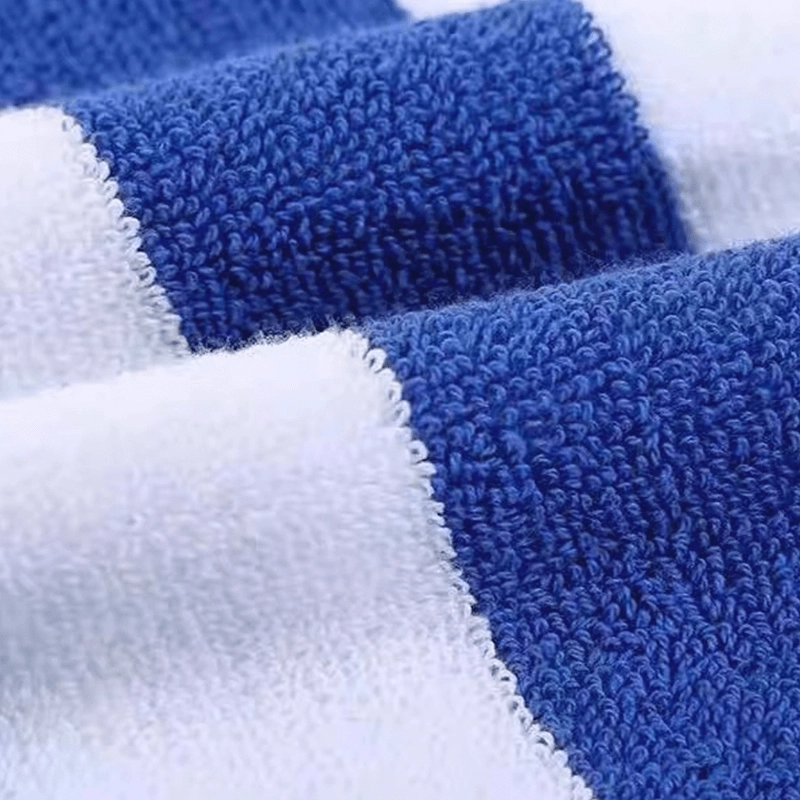
● Most hotel towels are made from cotton because it absorbs water well and feels comfortable against the skin.
● Long-staple cotton uses longer fibers, which can create smoother and stronger yarns.
● Combed cotton has shorter fibers and impurities removed before spinning. This process can improve softness and reduce loose lint.
● Ring-spun cotton uses tightly twisted fibers. It often provides a smooth surface and dependable strength.
● Terry loops increase the towel’s surface area, helping it collect moisture more efficiently.
● GSM measures fabric weight, not overall quality. Heavier towels feel fuller but need more drying time.
Most hotel towels are made from cotton. Cotton fibers naturally collect moisture and feel comfortable on wet skin. They can also handle regular washing when the yarn and edges are properly constructed.
However, not every cotton towel offers the same performance. Fiber length, spinning method, yarn structure, loop density, and finishing all influence the final result.
Many hotels prefer 100% cotton towels for guest rooms, spas, and bathrooms. Cotton offers a familiar texture and strong moisture absorption. It also becomes softer after proper washing and drying.
Cotton towels can serve several functions. Hotels use them as face towels, hand towels, bath towels, bath sheets, and bath mats. The size changes, but the main fiber can remain the same.
Long-staple cotton has longer individual fibers than standard cotton. Longer fibers can be spun into smoother yarns because they create fewer exposed ends.
This structure can reduce surface fuzz and support a cleaner appearance. It can also help the yarn stay strong during repeated use. For this reason, long-staple cotton is often selected for premium hotel towels.
Combed cotton goes through an extra preparation stage. The combing process removes many short fibers and unwanted particles before spinning.
The remaining fibers are longer and more even. They can produce smoother yarns, less loose lint, and a softer surface. Combed cotton is therefore useful for towels that need both comfort and a neat appearance.
Ring spinning twists and thins cotton fibers into a compact yarn. The process can create a softer and stronger yarn than basic open-end spinning.
Ring-spun cotton often provides a smooth hand feel. It can also support good absorbency when woven into raised terry loops. Colored gym, pool, and bathroom towels may use this cotton construction.
Some commercial towels combine cotton and synthetic fibers. The cotton supports absorption, while synthetic fibers may improve drying speed or dimensional stability.
However, a higher synthetic content can change the towel’s texture. It may feel less natural and absorb water differently. Buyers should check the exact fiber percentages before comparing prices.
Microfiber towels are made from very fine synthetic fibers. They are lightweight and can dry faster than many thick cotton towels.
They may suit gyms, cleaning tasks, or high-turnover facilities. However, they do not provide the traditional feel of plush Hotel Cotton Towels. The best choice depends on how guests will use them.
Material | Main advantages | Possible limitations | Common uses |
100% cotton | Soft, absorbent, familiar feel | May require longer drying | Guest rooms and bathrooms |
Long-staple cotton | Smooth yarn and reduced fuzz | Often costs more | Premium rooms and spas |
Combed cotton | Soft surface and lower lint | Quality still depends on weaving | Face and bath towels |
Cotton blend | Stable and potentially faster drying | May feel less natural | High-turnover facilities |
Microfiber | Lightweight and quick drying | Different guest feel | Gyms and cleaning tasks |
Note: A “100% cotton” label identifies the fiber, but it does not confirm yarn quality, towel density, or wash durability.
Cotton quality affects how a towel feels, absorbs water, and survives laundering. Two towels can carry the same fiber label but perform very differently.
Longer fibers create more contact between individual strands. This helps manufacturers spin smoother yarns containing fewer exposed ends.
A smoother yarn can feel softer and release less lint. It may also resist pilling better during repeated washing. Shorter fibers are not always unsuitable, but they may create a rougher surface.
Yarn count describes yarn fineness. A finer yarn can create a softer and more detailed fabric surface. A thicker yarn may create a fuller, more textured towel.
Neither option is always better. Fine yarns need strong construction, while thick yarns can increase weight and drying time. The intended use should guide the selection.
Single yarn is made from one spun strand. It can create lighter loops and may support faster drying. Double yarn combines two strands, producing a thicker and more stable structure.
Double-yarn hotel towels often feel denser. They may provide greater body and resist loop movement during commercial washing. However, their added weight can increase laundry requirements.
A cotton label cannot show the complete quality level. It does not explain whether the fibers are combed, long-staple, or ring-spun.
It also does not reveal loop density, stitching strength, or finishing quality. Buyers should review the full specification instead of choosing only by fiber content.
The weave determines how cotton yarn becomes an absorbent towel. Most hotel towels use terry construction, which has raised loops across the surface.
Terry loops increase the fabric’s usable surface area. More surface area allows the towel to make greater contact with moisture.
The loops collect water between their fibers. Their height, density, and yarn type affect the towel’s absorbency and texture. Dense loops usually feel fuller, but they may also dry more slowly.
Loop construction affects thickness and stability. A lighter loop structure can create a flexible towel with a shorter drying cycle.
Double-loop or double-yarn structures often produce a more substantial texture. They can suit hotels seeking a fuller, more luxurious feel. The correct option depends on laundry capacity and guest expectations.
Plain towels have a simple and consistent surface. They are easy to coordinate across different rooms and property styles.
Dobby towels include a woven decorative border. The border adds visual detail without changing the main cotton material. Jacquard weaving creates more complex patterns within the fabric.
Embroidery can also add a hotel logo or custom design. It supports brand presentation, but it does not determine the towel’s core absorbency.
A towel’s edges receive heavy stress during washing, drying, folding, and daily use. Weak hems can open even when the main fabric remains usable.
Double stitching and reinforced edges help reduce fraying. Secure corners also support longer service life. These details are especially important for frequent commercial laundering.
GSM means grams per square meter. It measures the weight of the towel fabric across a fixed area.
GSM helps buyers compare towel density. However, it cannot confirm cotton quality, yarn strength, or absorbency by itself.
Lower-GSM towels usually feel lighter and thinner. They can dry faster, require less storage space, and move through laundry systems more quickly.
They may suit gyms, pools, budget properties, and facilities needing rapid turnover. However, very light towels may not create a premium guest experience.
Medium-weight towels often provide a practical balance. They can feel comfortable without becoming difficult to wash and dry.
They suit many guest rooms because they offer useful absorbency and manageable laundry costs. Their actual performance still depends on yarn and loop quality.
Higher-GSM towels usually feel thick and plush. They can add a more luxurious impression in premium rooms, resorts, and spas.
Their weight also creates practical demands. Heavy towels hold more water, occupy more machine space, and may need longer drying cycles.
A heavy towel made from weak yarn may shed or lose shape. A well-made medium-weight towel may last longer and dry faster.
Therefore, GSM should be reviewed alongside cotton type, yarn structure, loop density, and edge construction. The heaviest option is not automatically the best investment.
Cotton towels receive several finishing treatments after weaving. These processes can affect color, softness, absorbency, and surface appearance.
White towels create a clean and uniform bathroom presentation. They also match many room designs and other bath linens.
Housekeeping teams can inspect marks more easily on a white surface. White towels can also be washed together when they share compatible care instructions.
Cotton contains natural waxes and other materials. Fabric preparation helps remove these substances before final use.
Controlled bleaching can create an even white appearance. It can also support water absorption by removing material that blocks moisture. Excessive processing, however, may weaken fibers.
Colored towels are useful for pools, gyms, spas, and branded interiors. Beige, gray, and other neutral shades can support a warmer design.
Colorfastness matters in commercial use. Poor dye performance can cause fading, staining, or uneven towel sets. Sample washing helps reveal these problems before a large order.
New towels may contain temporary finishing agents from production. These agents can improve initial appearance but may limit immediate absorption.
A proper first wash can remove surface residue. Buyers should compare towels after washing instead of judging only fresh samples.
Note: Avoid fabric softener during absorbency testing because it can coat cotton fibers and reduce water uptake.
Hotels do not always use one towel specification across every area. Each towel has different contact, drying, and laundering needs.
Face towels touch sensitive skin. They should feel smooth and release little lint. Combed cotton can support these requirements.
A heavy towel is not always necessary. A smaller, softer construction may provide better handling and faster washing.
Hand towels receive frequent use throughout the day. They need dependable absorbency, secure hems, and reasonable drying speed.
Dobby borders can add visual detail. Dark or neutral colors may also suit spas and shared wash areas.
Bath towels need enough surface area to dry the body. Their material should balance coverage, absorption, and manageable weight.
Bath sheets offer greater coverage but require more laundry space. Hotels should confirm whether the added size creates enough guest value.
Pool and gym towels may face moisture, repeated use, and colored products. They often need strong colorfastness and practical drying times.
Spa towels may prioritize softness and fuller terry loops. Cotton remains useful across these settings, but the weight and color can change.
A useful towel comparison should go beyond touching new samples. It should consider how the products perform after real laundry cycles.
Confirm whether the material is cotton, a cotton blend, or microfiber. For blends, request the percentage of each fiber.
Also ask whether the cotton is long-staple, combed, or ring-spun. These terms provide more detail than a basic cotton label.
Look for consistent loop height across the towel. Uneven or loose loops may catch during use and washing.
Rub the surface over a dark cloth. Heavy loose lint may indicate weak yarn preparation. Some initial lint is normal, but excessive shedding needs attention.
Check whether the stitching is straight and secure. Pull the corners gently and inspect any movement around the seams.
Reinforced edges can reduce replacement frequency. Decorative borders should also remain flat after washing.
Record each sample’s weight before washing. Then compare drying time under the same equipment and settings.
A plush towel may improve guest comfort, yet increase energy and labor costs. Selection should balance both sides.
Wash samples several times using the property’s normal process. Check absorbency, shrinkage, lint, color, softness, and shape after each cycle.
Include housekeeping staff in the review. They can identify folding, stacking, and drying problems that a simple touch test misses.
Luxury rooms may benefit from dense long-staple cotton towels. Gyms may need lighter towels that return to service quickly.
Spas may value softness and calm colors. Hospitals or high-turnover facilities may place greater value on durability and process efficiency.
Most hotel towels use cotton, but construction defines their real value. Fiber length, yarn type, terry loops, GSM, and finishing all affect performance. Jie Ruiya supplies customizable cotton towels for rooms, spas, gyms, and pools. Available options include varied sizes, weights, colors, borders, and logo designs. These choices help properties balance guest comfort, brand presentation, and laundry demands.
A: Most hotel towels use cotton because it feels soft and absorbs moisture well.
A: No. Some hotel towels use cotton blends or microfiber for faster drying.
A: Its longer fibers can create smoother, stronger yarns with less surface fuzz.
A: Often, but GSM alone cannot confirm fiber quality or overall performance.
A: Finishing residue or fabric softener may coat fibers and block moisture.


