
Views: 0 Author: Site Editor Publish Time: 2025-12-04 Origin: Site


In the hospitality industry, luxury is not just about grand architecture or fine dining—it's about the little details that make a guest's experience unforgettable. One of the most significant yet often overlooked factors is the quality of the hotel sheets. When staying at a 5-star hotel, guests expect not just comfort but a sense of indulgence and luxury. The softness of the sheets, the thread count, the materials used—all contribute to that experience.
In this comprehensive guide, we will dive into what makes hotel sheets stand out in 5-star hotels, focusing on thread count, materials, weave types, and overall quality. By understanding the key factors that influence the choice of hotel sheets, you can make informed decisions whether you are in the hospitality industry or a discerning guest who wants to learn more about the luxury bedding experience.
The hallmark of 5-star hotel sheets is comfort. Guests expect not only a clean, crisp bed but also sheets that enhance their sleeping experience. Hotel sheets in luxury hotels are chosen with one goal in mind: providing the ultimate sleeping comfort.
The soft, silky feel of hotel sheets is key to creating an exceptional guest experience. These sheets are carefully selected for their ability to provide the right balance between softness, smoothness, and breathability. It’s not just about thread count; the material plays a significant role, ensuring that guests feel pampered the moment they lie down.
While comfort is paramount, hotel sheets in luxury hotels must also be durable. 5-star hotels are known for their high turnover rates, and sheets must withstand frequent washing without losing their softness, shape, or color. The best hotel sheets are made from materials that hold up well to washing while maintaining their luxurious feel over time.
Thread count refers to the number of threads woven into one square inch of fabric. It’s a key measure of the quality and feel of hotel sheets. Higher thread count sheets are often softer, but it’s important to remember that thread count is not the only factor that determines sheet quality.
Thread count can range from as low as 180 to as high as 1000 or more. While many guests associate higher thread counts with superior quality, the type of fiber and weave are equally important in determining the feel and performance of the sheets.
For hotel sheets, the optimal thread count typically falls between 300-600 TC. This range strikes the perfect balance between softness, breathability, and durability. It’s common for 5-star hotels to use sheets with a thread count of 300-400 TC for a soft, luxurious feel. However, some ultra-luxury hotels opt for 600-800 TC sheets for an even silkier and more opulent experience.
Thread Count | Characteristics | Common Use in Hotels |
180-300 TC | Lightweight, breathable, soft | Budget and mid-range hotels |
300-400 TC | Soft, breathable, durable | Standard for 5-star hotels |
600-800 TC | Silky, luxurious, heavy | Premium suites and ultra-luxury hotels |
1000+ TC | Very dense, super soft | High-end, luxurious hotels (rare) |
Higher Thread Counts (600-1000 TC): These sheets offer a noticeably softer, smoother, and thicker feel. They are used in premium suites and luxury hotels where comfort and opulence are prioritized.
Lower Thread Counts (180-300 TC): While still comfortable, these are often used in budget and mid-range hotels. They are lightweight, breathable, and more cost-effective but may not provide the same luxurious feel as higher thread counts.
While thread count plays an essential role, other factors, such as material and weave, significantly impact the quality of hotel sheets.
The material of hotel sheets determines their texture, softness, and overall feel. The most common materials used in 5-star hotels are:
Egyptian Cotton: Known for its extra-long fibers, Egyptian cotton is considered one of the finest materials for hotel sheets. It’s incredibly soft, breathable, and durable.
Pima Cotton: A luxurious cotton variety similar to Egyptian cotton, Pima offers a silky smooth feel and high durability.
Polyester Blends: Often used for more affordable options, polyester blends are durable, wrinkle-resistant, and cost-effective.
Linen and Bamboo: More eco-friendly alternatives gaining popularity in luxury hotels, linen and bamboo sheets offer a unique texture, moisture-wicking properties, and a more sustainable approach.
The weave pattern also affects the feel and appearance of hotel sheets. Two primary weaves dominate the luxury hotel bedding industry:
Percale Weave: Known for its crisp, cool, and breathable feel, percale sheets are light and ideal for hot climates.
Sateen Weave: Sateen sheets have a smooth, silky texture and a subtle sheen, giving them a luxurious appearance and feel.
Weave Type | Characteristics | Best for |
Percale | Crisp, cool, breathable, matte finish | Warm climates, cooler, crisp feel |
Sateen | Soft, smooth, shiny, luxurious appearance | Luxury hotels, cooler climates, softness |
Jacquard | Intricate designs woven into fabric | High-end designs, aesthetic appeal |
Egyptian cotton is often considered the gold standard for hotel sheets. The long fibers of this cotton variety make it incredibly soft, breathable, and durable. Egyptian cotton also has a natural sheen and is highly resistant to fraying and fading, making it a perfect choice for 5-star hotels that want to provide guests with an indulgent sleeping experience.
Pima cotton is another premium choice for hotel sheets. While it is not as rare or expensive as Egyptian cotton, Pima cotton offers many of the same benefits, such as a silky texture, durability, and softness. It is commonly used in luxury hotels looking for an affordable alternative to Egyptian cotton.
Linen is another material that’s increasingly being used in 5-star hotels. It is more breathable than cotton, and its textured appearance makes it unique. Linen sheets are highly durable and get softer with each wash.
Bamboo sheets are another eco-friendly option gaining traction in luxury hotels. Bamboo fabric is naturally hypoallergenic, moisture-wicking, and soft, making it a great alternative to traditional cotton sheets.
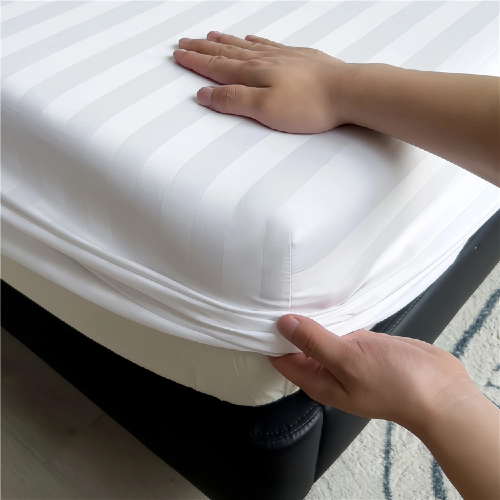
Percale is a simple, tightly woven fabric that is crisp and breathable. It has a matte finish and is ideal for hotel sheets in warm climates where guests need cooling properties. Percale sheets are often chosen for their durability and the cool, fresh feeling they provide.
Sateen sheets have a silky, smooth finish with a slight sheen. These sheets feel warmer and softer compared to percale and are often used in luxury hotels for a more indulgent feel. The smooth finish also gives sateen sheets a more polished, shiny look that appeals to those looking for a more refined sleeping experience.
When selecting hotel sheets, it’s important to strike the right balance between comfort and durability. 5-star hotels often choose hotel sheets made from high-thread-count Egyptian cotton for a luxurious feel but must ensure they can withstand repeated washing and frequent guest use without losing their quality.
5-star hotels take into account the preferences of their guests. Some guests prefer the crisp coolness of percale, while others might prefer the silky smoothness of sateen. The brand and style of the hotel will influence the choice of sheets as well, aligning with the overall ambiance and experience the hotel aims to offer.
Eco-friendly hotel sheets are becoming more popular in luxury hotels as guests increasingly demand sustainable options. Bamboo, organic cotton, and linen are all materials that fit well within the trend of sustainability while maintaining a high standard of quality.
Proper washing and care are critical to maintaining the quality of hotel sheets. To preserve softness and ensure longevity, luxury hotel sheets should be washed at a gentle setting with mild detergents. High heat can cause shrinkage, so it’s best to air dry or tumble dry on low heat.
Maintenance Tips:
Wash hotel sheets in warm water to remove dirt and bacteria.
Avoid using bleach, which can weaken fibers and affect the sheet's integrity.
Replace hotel sheets as soon as they begin showing signs of wear, such as fraying or thinning.
Even the highest quality sheets will eventually wear out with frequent use. It’s important to regularly inspect your hotel sheets and replace them once they start to show signs of damage. High-end hotels replace their sheets every 1-2 years to maintain a premium guest experience.
In conclusion, the quality of hotel sheets is a crucial factor in delivering 5-star comfort and luxury. Every detail, from thread count and material to weave type and maintenance, plays a significant role in shaping the guest experience. By investing in high-quality sheets, such as Egyptian cotton or Pima cotton, and carefully selecting the right weave pattern, hotels can offer unparalleled comfort and elegance to their guests.
At Jieruiya, we specialize in providing premium hotel sheets tailored to meet the highest standards of luxury and durability. Whether you’re looking for the soft, breathable comfort of cotton or the silky smoothness of sateen, we offer a range of options to suit your hotel’s needs. Our expert team can guide you in choosing the perfect bedding to enhance guest satisfaction and elevate your hotel's brand image.
If you want to provide your guests with the ultimate sleeping experience, we invite you to contact us today. Let us help you choose the perfect hotel sheets that will ensure a consistent, luxurious experience for every guest, making your hotel stand out in comfort and quality.
The ideal thread count for hotel sheets in 5-star hotels is typically between 300-600 TC. This range offers a balance of softness and durability. Some luxury hotels use higher thread counts (600-1000) for an ultra-luxurious experience.
Egyptian cotton is preferred because of its long fibers, which result in softer, stronger, and more durable sheets. The natural sheen of Egyptian cotton also enhances the overall luxurious feel.
While higher thread count generally correlates with softer sheets, factors like the type of cotton, weave, and fabric also play a significant role in determining the quality of hotel sheets.
Hotel sheets should be replaced every 1-2 years, depending on their condition. Frequent washing and high guest turnover necessitate regular replacement to maintain a high standard of quality.
Percale sheets are crisp, breathable, and cool, while sateen sheets are silky, soft, and have a slight sheen. Sateen is ideal for guests who prefer a softer, warmer feel, while percale is preferred in warmer climates for its cool, fresh feel.


