
Views: 0 Author: Site Editor Publish Time: 2026-06-16 Origin: Site


Stepping into a hotel room often feels like a luxurious escape. However, it also requires a significant leap of faith. You essentially enter a high-trust transaction regarding your personal hygiene every time you pull back the covers. Core linens generally undergo strictly regulated commercial laundering. Secondary bedding layers frequently operate under entirely different operational standards. This hidden discrepancy leaves many travelers questioning the true cleanliness of their sleep environment. Are those crisp white fabrics actually as pristine as they appear? This guide strips away the guesswork. We provide an objective, industry-informed framework for evaluating room hygiene. You will uncover the stark realities of commercial laundering protocols. We also outline common pitfalls in daily housekeeping. By the end, you will know exactly how to inspect your room. You can then make empowered, informed decisions upon check-in.
SOP vs. Reality: Core hotel bed sheets (fitted, flat, pillowcases) are universally laundered between guests, but top layers (duvets, bedspreads) are often washed less frequently unless visibly soiled.
Industrial Efficacy: Commercial laundering relies on thermal and chemical disinfection (high heat, industrial bleach, peroxide) that far exceeds residential washing standards.
The Visual Inspection: Residual stains do not always indicate biological contamination; chemical bleaching can set permanent discoloration on sterile fabric.
Actionable Control: Guests can minimize risk through quick visual inspections, requesting freshly laundered top-layers, or utilizing travel liners for guaranteed baseline hygiene.
Every major hospitality brand enforces strict standard operating procedures. Managers call this the "every turn" mandate. Housekeeping staff must strip the bed entirely after a checkout. They remove fitted sheets, flat sheets, and pillowcases. These items form the primary hygiene barrier between you and the mattress. Facilities route these core linens directly to commercial laundry centers. You can usually trust this baseline level of cleanliness. When you sleep on Hotel Bed Sheets, you are resting on heavily sanitized fabric.
However, industry mandates often collide against daily operational constraints. Housekeepers face notoriously tight deadlines. Most hotels allocate only twenty to thirty minutes for a complete room turnover. This narrow window limits the thoroughness of visual inspections. Staff must clean the bathroom, vacuum floors, and remake the bed rapidly. They might occasionally miss stray hairs or tiny debris during this frantic rush. This does not necessarily mean they ignored the linens. It simply reflects the demanding physical reality of hotel housekeeping.
You also need to understand the difference between turnover cleaning and stayover cleaning. Eco-friendly policies have drastically changed stayover protocols. If you book a multi-night stay, housekeepers will likely just remake your existing bed. They will not provide fresh linens daily unless you specifically request them. Hotels implemented these policies to conserve water and reduce chemical runoff. They usually leave a small placard on your pillow explaining this environmental initiative. You must place this card on the bed if you want a complete linen change during your stay.
Turnover Cleaning: Complete removal of all primary linens after a guest checks out.
Stayover Cleaning: Straightening existing linens for guests staying multiple nights.
Opt-In Replacement: Requiring guests to actively request fresh linens to support eco-initiatives.
Your bed consists of multiple distinct layers. The flat sheet and the fitted sheet act as your core protection layer. They sit directly against your skin. Facilities wash these items rigorously. The vulnerability lies in the layers sitting above them. Duvets, blankets, and bedspreads introduce significant hygiene variables.
Modern hospitality brands recognize this risk. Many have shifted toward a practice called "triple sheeting." This technique creates a protective envelope around the blanket. The housekeeper places a flat sheet over the fitted sheet. They place the blanket next. Finally, they top it off using a third flat sheet. They tuck all three layers tightly under the mattress. This method eliminates the need for bulky, unwashed top covers. It ensures only freshly laundered cotton touches your skin. You should actively look for hotels utilizing this superior method.
Traditional bedspreads pose the highest hygiene risk in any room. Heavy comforters and decorative floral bedspreads rarely see the inside of a washing machine. Commercial constraints make washing them daily impossible. They take too long to dry and take up too much machine space. Consequently, many hotels wash these items quarterly or monthly. They only wash them sooner if they spot visible soiling. You should always remove these traditional bedspreads immediately upon entering your room. Do not sit on them in your bare skin.
Bedding Layer Wash Frequency Comparison | ||
Bedding Item | Standard Wash Frequency | Hygiene Risk Level |
|---|---|---|
Fitted & Flat Sheets | After every checkout | Very Low |
Pillowcases | After every checkout | Very Low |
Duvet Covers | Usually after every checkout | Low to Medium |
Blankets (Inserts) | Monthly or bi-annually | High (if unencased) |
Traditional Bedspreads | Quarterly or visibly soiled | Very High |
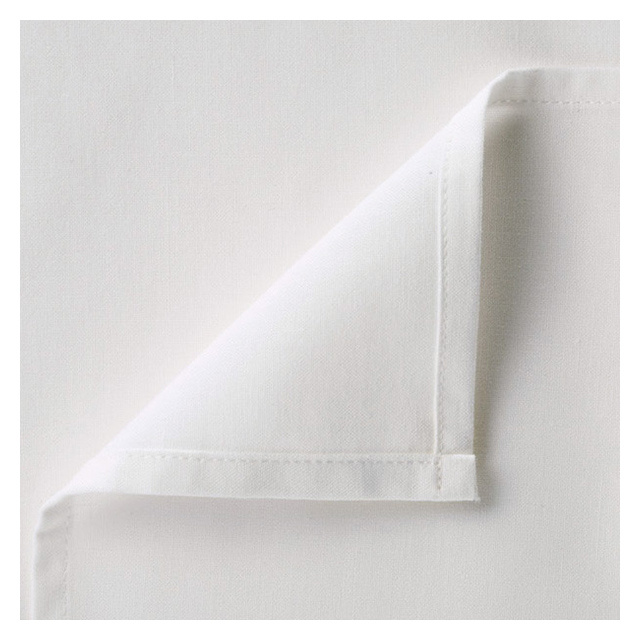
You cannot compare commercial laundry operations to residential washing machines. Hospitality facilities utilize extreme thermal and chemical processes. These methods guarantee biological eradication. They subject linens to temperatures far exceeding residential capabilities. Thermal disinfection typically requires sustained heat above 160 degrees Fahrenheit. This intense heat easily destroys biological pathogens. It also instantly kills dust mites and bedbugs in all life stages. You can sleep peacefully knowing the high temperatures sterilized the fabric.
Chemical processing provides the second layer of defense. The wash cycles involve highly calibrated, multi-stage chemical injections. Operators do not just pour detergent into a drum. They use industrial-grade alkali builders first. These harsh chemicals break down body oils and stubborn fats. Next, they inject powerful oxygen bleaches or peroxides. These agents destroy bacteria and brighten the white fabric. Finally, the machines inject "sours." Sours act as chemical neutralizers. They drop the pH level of the fabric back to a skin-safe range. Without sours, the heavy alkalis would cause severe skin irritation.
We must also address the difference between sterility and aesthetics. You might occasionally spot a faint stain on Hotel Bed Sheets. This understandably causes immediate panic. However, a stained sheet can still be medically sterile. Certain substances cause permanent aesthetic damage. Oxidized makeup, massage oils, or rust from old laundry carts can permanently dye the fibers. The extreme heat of the commercial dryers often bakes these stains directly into the cotton. The fabric remains perfectly sanitary and free of pathogens. It just looks flawed. Hotels try to discard these items, but some inevitably slip through quality control.
Chart: The Commercial Wash Cycle Stages | ||
Stage | Chemical Action | Primary Purpose |
|---|---|---|
1. Flush | High-pressure warm water | Removes loose debris and surface soils. |
2. Break | Alkali builders | Loosens heavy body oils and fats. |
3. Bleach | Oxygen bleach / Chlorine | Whitens fabric and sanitizes pathogens. |
4. Rinse | Fresh water flushes | Removes residual detergent and bleach. |
5. Sour | pH neutralizers | Balances fabric pH to prevent skin irritation. |
You should never just dive into a hotel bed upon arrival. A quick two-minute inspection provides tremendous peace of mind. You can identify potential issues before you unpack your bags. Use this simple guest evaluation framework every time you travel.
The Corner Pull: Walk to the corner of the bed nearest the window. Pull back the duvet, the flat sheet, and the fitted sheet. Expose the bare mattress or the mattress protector. Look closely at the seams. You are checking for trapped debris, crumbs, or human hair. You are also checking the mattress protector for concerning stains. If the corner looks pristine, the rest of the bed likely follows suit.
The Crease Test: Look closely at the surface of the flat sheet and pillowcases. You should see sharp, prominent fold lines. Commercial ironing machines press linens while they are still slightly damp. This process bakes hard creases into the fabric. If the sheets look perfectly smooth or heavily wrinkled without grid-like folds, someone likely just smoothed them over. Sharp creases serve as visual proof of recent commercial laundering.
The Scent Profile: Press your face near the pillowcase and inhale deeply. You want to smell practically nothing. A very faint hint of bleach or crisp starch is acceptable and standard. You should worry if you smell heavy, sweet perfumes. Housekeepers sometimes use room sprays to mask musty odors. You should also worry if the bed smells like damp towels. This indicates improper drying or prolonged storage in a humid environment.
If your bed fails any of these three steps, do not hesitate. Call the front desk immediately. Ask them to send housekeeping up to strip and remake the bed entirely.
You can take control of your travel hygiene before you even leave home. Smart travelers use specific strategies to minimize their exposure to questionable bedding. These proactive steps require minimal effort but yield significant comfort.
Start by applying pre-booking filters. Look closely at guest photos on review sites rather than promotional images. Search the written reviews for specific keywords. Look for terms like "triple sheeting" or "duvet cover." If recent guests complain about dirty bedspreads, book a different property. Modern hotels proudly advertise their updated hygiene protocols. You will easily spot brands committed to clean, encased bedding.
You can also handle potential issues during check-in. Use exact, polite phrasing to ensure compliance from the front desk. You might say, "Hi, I have very sensitive skin. Could you please have housekeeping bring up a freshly laundered blanket or duvet cover?" This simple request alerts the staff. They realize you pay attention to details. Housekeeping will usually bring a fresh blanket directly from the laundry room. This bypasses the potentially stale bedding already sitting in your room.
Finally, consider investing in a fail-safe solution. Travel liners offer guaranteed baseline hygiene. These look like thin, ultra-lightweight sleeping bags. You can buy them in silk, cotton, or microfiber. You simply slip the liner between the hotel linens. It creates a controlled, personal barrier around your body. Highly sensitive travelers swear by them. They pack down to the size of a coffee mug. A travel liner completely eliminates anxiety regarding commercial washing frequencies or housekeeping shortcuts.
Rest assured, core hotel linens undergo aggressive, effective sanitization processes. The combination of thermal heat and industrial chemicals easily destroys harmful pathogens. However, the surrounding bedding ecosystem requires your vigilant evaluation. Top layers like blankets and traditional bedspreads often escape daily washing routines.
You now possess the tools to transform travel anxiety into actionable control. Always perform the corner pull and the crease test upon arrival. Never hesitate to request freshly laundered blankets from the front desk. Consider utilizing a personal travel liner for ultimate peace of mind. By applying these simple strategies, you ensure your stay meets your personal health standards. You can finally pull back the covers and enjoy a truly restful night.
A: Generally, no. Most hotels now follow eco-friendly protocols to save water and energy. They will remake your bed using the same linens during a stayover. You must actively request fresh sheets by leaving a specific eco-card on your pillow or calling the front desk.
A: Commercial dryers create intense static electricity. This static acts like a magnet, pulling loose hairs onto sterile sheets during the folding process. Furthermore, housekeepers move rapidly. Cross-contamination often occurs when they accidentally brush their uniforms against the freshly laid linens during a tight turnover window.
A: The core upholstery rarely undergoes deep cleaning. Instead, hotels rely heavily on protective encasements. Quality hotels use waterproof, allergen-blocking covers on both mattresses and pillows. Housekeepers wipe down or launder these protective barriers regularly, leaving the internal core completely isolated from guest contact.
A: You should avoid this practice entirely. Unless the hotel uses a freshly laundered duvet cover or a triple-sheeting method, the blanket itself may not be clean. Hotels often wash bare duvet inserts or heavy blankets only once a month due to commercial laundry constraints.


